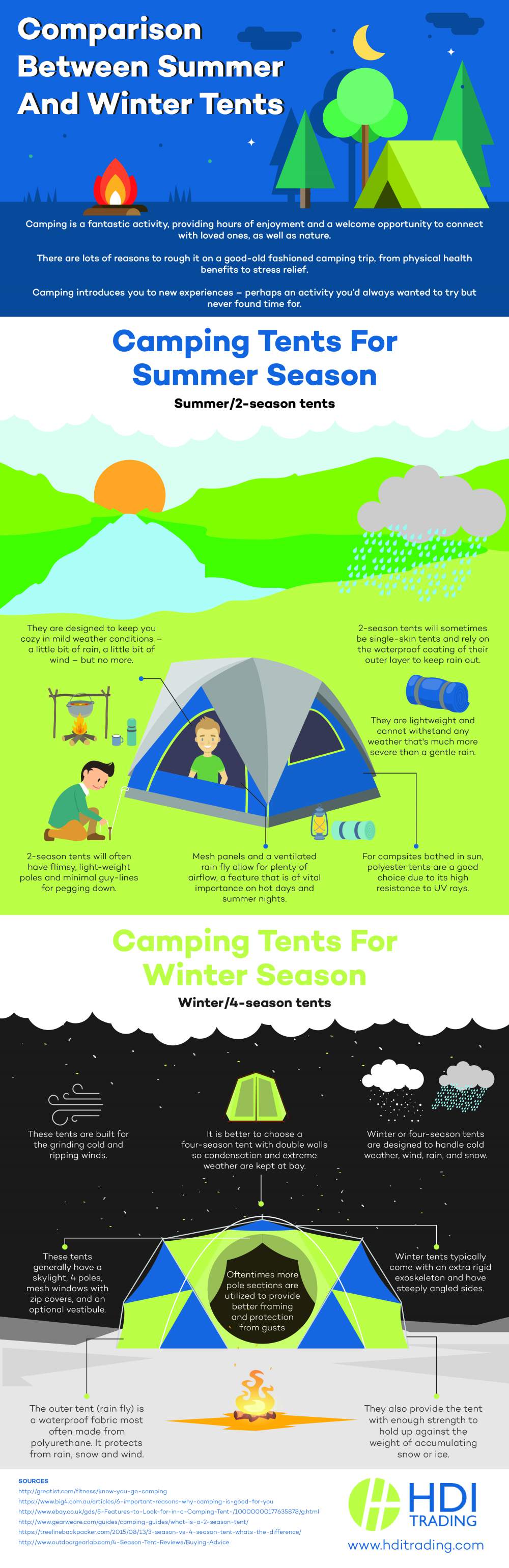
Condensation is a minor annoyance when it's simply a light movie of wetness, but heavy condensation soaks resting bags and ruins tents. Reliable condensation monitoring methods decrease this discomfort by raising air flow and dehumidification.
Decrease condensation by picking completely dry and raised ground. Select camping sites with an all-natural wind to bring wetness away from outdoor tents walls. Maximize air flow by opening doors and vents, adjusting skirts and placing followers.
Damp Towel Ac Unit
An effective tent AC is a necessity for outdoor camping in warm environments. But a portable air conditioning unit is costly, large, and power-hungry. Thankfully, there are several do it yourself remedies that can make a significant difference and aid you appreciate a comfy rest and stay clear of warm fatigue.
Wet a towel and hang it near the entry of your camping tent, positioning it to catch any winds that travel through. Setting a portable fan close-by to enhance air movement and optimize the cooling effect from the vaporizing dampness.
The follower gives air activity that quickens evaporation, while the towel lowers skin surface area temperature and enhances convective warm loss. This DIY camp colder incorporates both major pathways for warmth loss and enhances them, making it a more reliable service than either strategy alone. When done properly (wet towel, follower, good positioning) this hack can supply substantial convenience and prolong your outdoor camping stay. Just bear in mind to re-wet the towel as needed to ensure optimal efficiency.
Ground Insulation
You are a tiny individual furnace cranking out warm all night long, and the cool wishes to take every bit of it. There are 3 primary ways to combat this, starting with a non-negotiable ground tarpaulin that avoids the cool ground from soaking up your warmth.
Air flow is also crucial, as it allows warm, moist air to get away and cooler, drier air to go into. This exchange helps in reducing condensation that can result in a stuffy camping tent and even advertise mold growth.
To enhance your air flow, pitch your tent near an all-natural windbreak that can block solid winds. In addition, boost your outdoor tents somewhat off the ground to raise air flow beneath it. Lastly, make use of an insulated thermal blanket to accumulate temperature and maintain wetness at bay. These DIY options aid enhance your camping tent's insulation while maintaining it comfortable and dry. If you're searching for a much more comprehensive remedy, specialized shielded camping tent linings are offered to provide a custom-fit and problem-free arrangement.
Frozen Canteen
Frozen water bottles put before fans create cooled airflow throughout tents. The Kitchn suggests adding salt to bottles prior to freezing as this lowers the quantity of water waterproofing that freezes, permitting far better air conditioning. It also notes that misting bottles, which spray fine water droplets enabling evaporative air conditioning with fan-driven airflow, can be utilized to cool down sleeping locations. Stay clear of glass bottles which may split in cool temperatures.
Tent tops and rainflies can be increased 12-18 inches over resting areas to block sunlight direct exposure and enhance air flow. Smart organizing and task monitoring enhances ventilation and cooling techniques. During hot afternoons, avoid outdoor tents usage and rather lounge in shaded camp chairs or hammocks. This concentrates mechanical cooling throughout cooler evening and over night hours when cooler outside air becomes available for circulation.